
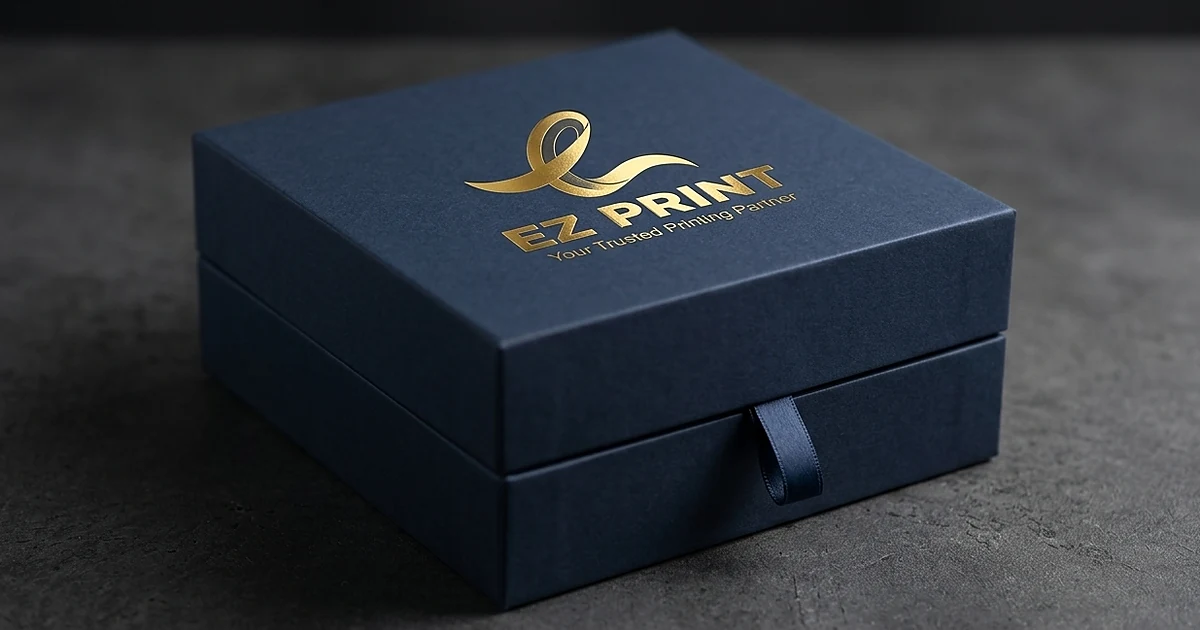
Bespoke packaging serves as both structural protection during transport and a tangible brand touchpoint during unboxing. Creating custom folding cartons, e-commerce mailers or corporate gift boxes requires balancing structural engineering, board caliper and print finishing.
Developing custom packaging begins with a precise dieline vector template before artwork layout commences.
Structural packaging formats
Packaging styles correspond to product weight, transport requirements and retail presentation:
- Folding cartons (Tuck-end boxes): Manufactured from 300–400 gsm folding boxboard, with the exact weight settled on the quote. Ideal for cosmetics, pharmaceutical bottles, confectionery and lightweight tech accessories. Common configurations include straight tuck-end, reverse tuck-end, and auto-locking crash bottoms for hand assembly.
- Corrugated mailer boxes (E-flute / B-flute): Constructed from fluted wavy paper sandwiched between interior and exterior linerboards. Provides high crush resistance and stacking strength for direct-to-consumer e-commerce shipments and subscription deliveries.
- Rigid setup boxes (Luxury gift boxes): Formed from thick, non-bending greyboard wrapped in custom-printed or embossed specialty paper. Featuring magnetic flap closures, lift-off lids or sliding matchbox sleeves, rigid boxes convey permanence and luxury for VIP corporate gifts and celebratory hampers.
Board caliper, grammage and paper grain
In packaging, caliper (thickness measured in microns or millimetres) is as critical as grammage (gsm). High-bulk boards like folding boxboard feature a bleached virgin chemical pulp surface for crisp colour reproduction, combined with mechanical pulp layers that provide structural stiffness without excessive weight.
Paper grain direction must also be considered. Folding carton score lines running parallel to the board’s grain fold cleanly, whereas score lines running across the grain require wider creasing channels to prevent cracking along the outer coated print surface.
Understanding the dieline vector file
A structural dieline provides the mechanical instructions for the steel die-cutting plate. When supplying packaging artwork, dielines should occupy their own locked, non-printing vector spot colour layer:
- Cut lines (Solid stroke): Indicate where the hydraulic die blade cuts completely through the paperboard.
- Crease and score lines (Dashed stroke): Guide the dull round-edged creasing rules that compress paperboard fibres to create clean, sharp folds.
- Perforation lines (Dotted stroke): Specify where tear-away access strips or ventilation tabs are required.
- Bleed allowance: Because die-cutting can move slightly during production runs, background artwork, flood coats and patterns must extend at least 3 mm beyond the outer cut perimeter.
Protective finishes and surface embellishments
Packaging encounters handling friction, conveyor belts and transit vibrations. Applying a protective surface seal preserves box aesthetics:
- Water-based aqueous coatings: Applied inline during printing to protect inks from scuffing and accelerate drying.
- Matte and soft-touch lamination: Creates a smooth, velvety tactile finish while providing moisture barriers against handling.
- Metallic hot foil stamping: Uses heated metal dies to transfer metallic foil onto selected logo emblems and typography.
- Embossing and debossing: Presses board between matched male and female dies, raising or depressing structural paper relief.
Prototyping and unprinted structural dummies
Before committing to large volume production runs, assembling an unprinted plain white structural dummy confirms that interior dimensions accommodate the enclosed item, bottle insert or thermoformed tray comfortably.
Standard turnaround for custom packaging production is 7–14 working days. Urgent project requirements in Singapore can be evaluated individually, subject to artwork approval, payment, print type and production availability.
Same-day and urgent printing available. Subject to artwork approval, payment, print type and production availability. Timing confirmed per job.
Frequently asked questions
What paperboard is used for folding carton boxes?
Folding cartons such as tuck-end boxes are made from 300–400 gsm folding boxboard, with the exact weight settled on the quote. They suit cosmetics, pharmaceutical bottles, confectionery and lightweight tech accessories. Common configurations include straight tuck-end, reverse tuck-end and auto-locking crash bottoms for hand assembly. The packaging style overall should follow the product’s weight, its transport requirements and how it will be presented at retail.
How much bleed does a packaging dieline need?
Background artwork, flood coats and patterns must extend at least 3 mm beyond the outer cut perimeter, because die-cutting can move slightly during production runs. Keep the dieline on its own locked, non-printing vector spot colour layer, with solid strokes for cut lines, dashed strokes for crease and score lines, and dotted strokes for perforations such as tear-away strips.
What is the difference between a corrugated mailer box and a rigid gift box?
A corrugated mailer is built from fluted paper sandwiched between interior and exterior linerboards, giving crush resistance and stacking strength for e-commerce shipments and subscription deliveries. A rigid setup box is formed from thick, non-bending greyboard wrapped in printed or embossed specialty paper, often with a magnetic flap, lift-off lid or sliding matchbox sleeve, and suits VIP corporate gifts and celebratory hampers.
Why do printed box folds crack along the score line?
Cracking along the outer coated print surface is linked to paper grain direction. Score lines running parallel to the board’s grain fold cleanly, whereas score lines running across the grain need wider creasing channels to prevent cracking. Grain direction should be considered together with caliper and grammage when the board and the dieline are specified for a folding carton.
Should I make a sample box before a full packaging run?
Yes. Before committing to a large volume production run, assemble an unprinted plain white structural dummy to confirm that the interior dimensions comfortably fit the enclosed item, bottle insert or thermoformed tray. Standard turnaround for custom packaging production is 7–14 working days, and urgent requirements can be evaluated individually, subject to artwork approval, payment, print type and production availability.
Same-day and urgent printing available. Subject to artwork approval, payment, print type and production availability. Timing confirmed per job.